Mastering Network Efficiency: PLC Splitters in Fiber Optic Connectivity
In the dynamic world of fiber optic communication, the integration of technology is the key to unlocking efficient and high-performance networks. At the forefront of this evolution stands the PLC splitter, a cornerstone in the architecture of fiber optic systems. This article delves into the core of PLC splitters, exploring their functionality, applications, and the indispensable role they play in optimizing fiber optic connectivity.
PLC Splitters Unveiled: The Nerve Center of Optical Networks
Understanding PLC Splitters:
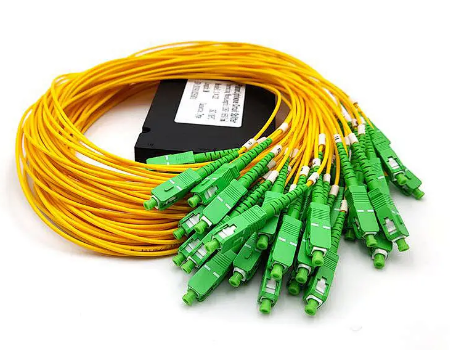
PLC, or Planar Lightwave Circuit, splitters are advanced optical devices designed to divide or combine optical signals with precision and efficiency. Unlike traditional fused fiber splitters, PLC splitters utilize a planar lightwave circuit chip to distribute light signals, providing enhanced performance and reliability in fiber optic networks.
Key Features of PLC Splitters:
Compact Design: PLC splitters are known for their compact and space-efficient design, making them suitable for deployment in various network configurations.
High Splitting Ratios: PLC splitters are available in a range of splitting ratios, allowing network engineers to customize the distribution of optical signals to meet specific requirements.
Low Insertion Loss: PLC splitters boast low insertion loss, ensuring minimal signal attenuation as light travels through the splitter, contributing to the overall efficiency of the network.
Applications of PLC Splitters in Fiber Optic Networks:
Fiber-to-the-Home (FTTH): PLC splitters play a crucial role in FTTH deployments, enabling the efficient distribution of optical signals to multiple end-users from a single fiber optic line.
Telecommunications Networks: In telecommunications networks, PLC splitters facilitate the division of optical signals to serve multiple users, optimizing the utilization of optical resources.
Data Centers: PLC splitters contribute to the efficient management of optical signals in data centers, ensuring reliable connectivity and minimizing signal loss.
Splitter Fibra Optica: Bridging Language and Functionality
Splitter fibra optica, translating to fiber optic splitter, represents the essential functionality of PLC splitters in Spanish-speaking regions. The term encapsulates the role of these devices in dividing optical signals with precision in fiber optic networks.
Advantages of PLC Splitters:
Uniform Splitting: PLC splitters ensure uniform splitting of optical signals, maintaining signal integrity across multiple output ports.
Reliability: The planar lightwave circuit technology enhances the reliability of PLC splitters, making them less susceptible to environmental factors and ensuring consistent performance.
Ease of Integration: PLC splitters are designed for seamless integration into various network architectures, providing flexibility in deployment.
Choosing the Right PLC Splitter:
Splitting Ratio: Select a PLC splitter with a splitting ratio that aligns with the specific needs of the network, considering the number of output ports required.
Connector Types: PLC splitters are available with various connector types, including SC, LC, and others. Choose the connector type that is compatible with the existing network infrastructure.
Application-Specific Considerations: Consider the application-specific requirements, such as the type of network (FTTH, telecommunications, data centers), to ensure the PLC splitter meets the demands of the deployment.
In Conclusion: Elevating Connectivity with PLC Splitters
As networks continue to evolve and demand for high-speed and reliable connectivity rises, PLC splitters emerge as pivotal components in the optimization of fiber optic systems. The splitter fibra optica becomes the bridge between language and functionality, encapsulating the role of PLC splitters in dividing and managing optical signals. In the intricate dance of fiber optic connectivity, PLC splitters take center stage, providing the precision and efficiency required to propel networks into the next era of communication technology.
OPGW Technology's Dual Potential in Power and Data Transmission
The Era of Fast Connector Fiber Optics
Related Article


2、 Key Characteristics
3、 Main Classifications
4、Core Differences from Multimode Fiber
5、Typical Application Scenarios