Beneath the Waves: Submarine Fiber Cable in Global Connectivity

In the vast expanse of our interconnected world, the backbone of international communication lies beneath the ocean waves – the remarkable submarine fiber cables. This article plunges into the depths of this technological marvel, exploring its intricacies, applications, and the indispensable role it plays in the realm of global connectivity.
Submarine Cable: The Lifeline of Global Communication
Understanding Submarine Cables:
A submarine cable is a specialized type of fiber-optic cable laid on the ocean floor to facilitate high-speed data transmission across vast distances. These cables serve as the primary infrastructure for international communication, connecting continents and forming the backbone of the global internet.
Key Features of Submarine Cables:
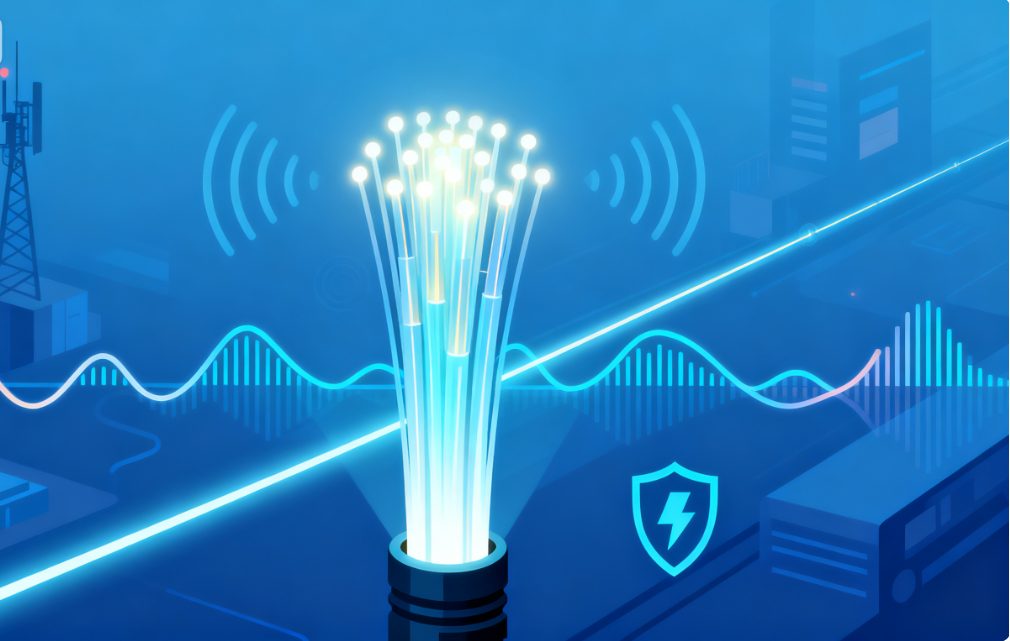
Fiber-Optic Technology: Submarine cables leverage fiber-optic technology, allowing for the transmission of data as pulses of light. This technology enables high data capacity and speeds over long distances.
Armored Protection: Submarine cables are equipped with layers of protective armor, shielding them from the harsh marine environment, including strong currents, pressure, and potential damage from marine life.
Global Connectivity: Submarine cables crisscross the ocean floor, connecting continents and forming an intricate network that facilitates global communication, internet access, and data transfer.
Submarine Internet Cable: The Arteries of the Digital World
The term "submarine internet cable" encapsulates the role of these cables as the vital conduits that carry internet traffic across oceans. These cables act as the arteries of the digital world, ensuring the seamless flow of data between countries and continents.
Applications of Submarine Cables:
International Telecommunications: Submarine cables are the primary infrastructure for international telecommunications, enabling voice calls, video conferencing, and other forms of real-time communication.
Global Internet Connectivity: The majority of global internet traffic traverses through submarine cables, providing the high-speed connectivity needed for accessing websites, streaming content, and online services.
Intercontinental Data Transfer: Businesses, research institutions, and governments rely on submarine cables for the efficient and secure transfer of large volumes of data between continents.
What is Submarine Cable System: The Network of Underwater Information Highways
A "submarine cable system" refers to the intricate network of interconnected submarine cables that spans the globe. These systems are engineered to ensure redundancy, reliability, and high bandwidth to meet the ever-growing demands of global communication.
Components of a Submarine Cable System:
Submarine Cables: The fiber-optic cables laid on the ocean floor form the backbone of the system, transmitting data across vast distances.
Submarine Cable Stations: These are onshore facilities where submarine cables make landfall, connecting to terrestrial networks and data centers.
Repeater Stations: Placed strategically along the cable routes, repeater stations amplify and regenerate the optical signals, ensuring signal integrity over long distances.
Ensuring Reliability and Redundancy:
Submarine cable systems are designed with redundancy in mind. Multiple cable routes are often established to ensure continued connectivity in case of cable faults or disruptions. This reliability is crucial for maintaining uninterrupted global communication.
The Future of Submarine Cables:
As the demand for data-intensive applications continues to surge, the role of submarine cables becomes increasingly pivotal. Ongoing advancements in technology, such as increased cable capacity and improved resilience, promise to enhance the capabilities of submarine cable systems, ensuring their continued contribution to the global digital landscape.
In Conclusion: Navigating the Ocean of Information
Submarine fiber cables stand as the unsung heroes of the digital age, silently weaving the fabric of global connectivity beneath the ocean waves. The "submarine cable" and its associated terms, from "submarine internet cable" to the intricate "submarine cable system," represent the lifeline of international communication, enabling the seamless exchange of information across borders. As we navigate the ocean of information, it is the submarine cable that forms the bedrock, connecting nations and continents in the continuous flow of data that defines our interconnected world.
High-Quality ADSS Fiber Optic Cable from China is Revolutionizing Global Infrastructure Projects
Fasocom: Leaders in adss Optical Cable Innovation
Related Article


2、 Key Characteristics
3、 Main Classifications
4、Core Differences from Multimode Fiber
5、Typical Application Scenarios