What is the difference between OPGW cable and ADSS cable?
What is the difference between OPGW cable and ADSS cable?
1. Structure
ADSS cable is a type of optical fiber cable that is strong enough to support itself between structures without using conductive metal elements. It is used by electrical utility companies as a communications medium, installed along existing overhead transmission lines and often sharing the same support structures as the electrical conductors. No metal wires are used in an ADSS cable. Optical fibers are either supported in loose buffer tubes, or arranged in a ribbon configuration. For longer spans, the most common design gets its strength from aramid fiber yarns, which are coated to prevent water wicking. The aramid yarn strength member surrounds a core made up of multiple buffer tubes, each containing multiple fibers, all surrounding a plastic core. The outer sheath provides protection from water and sunlight.

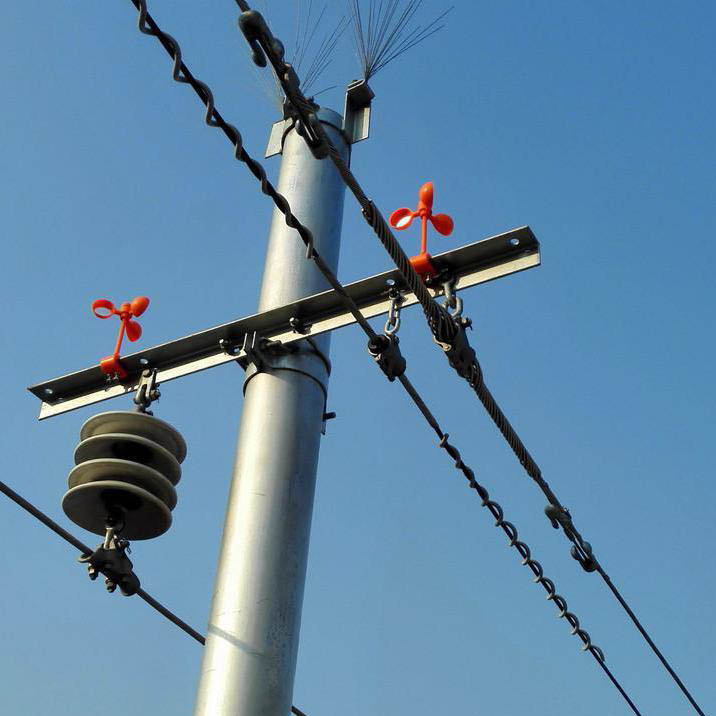
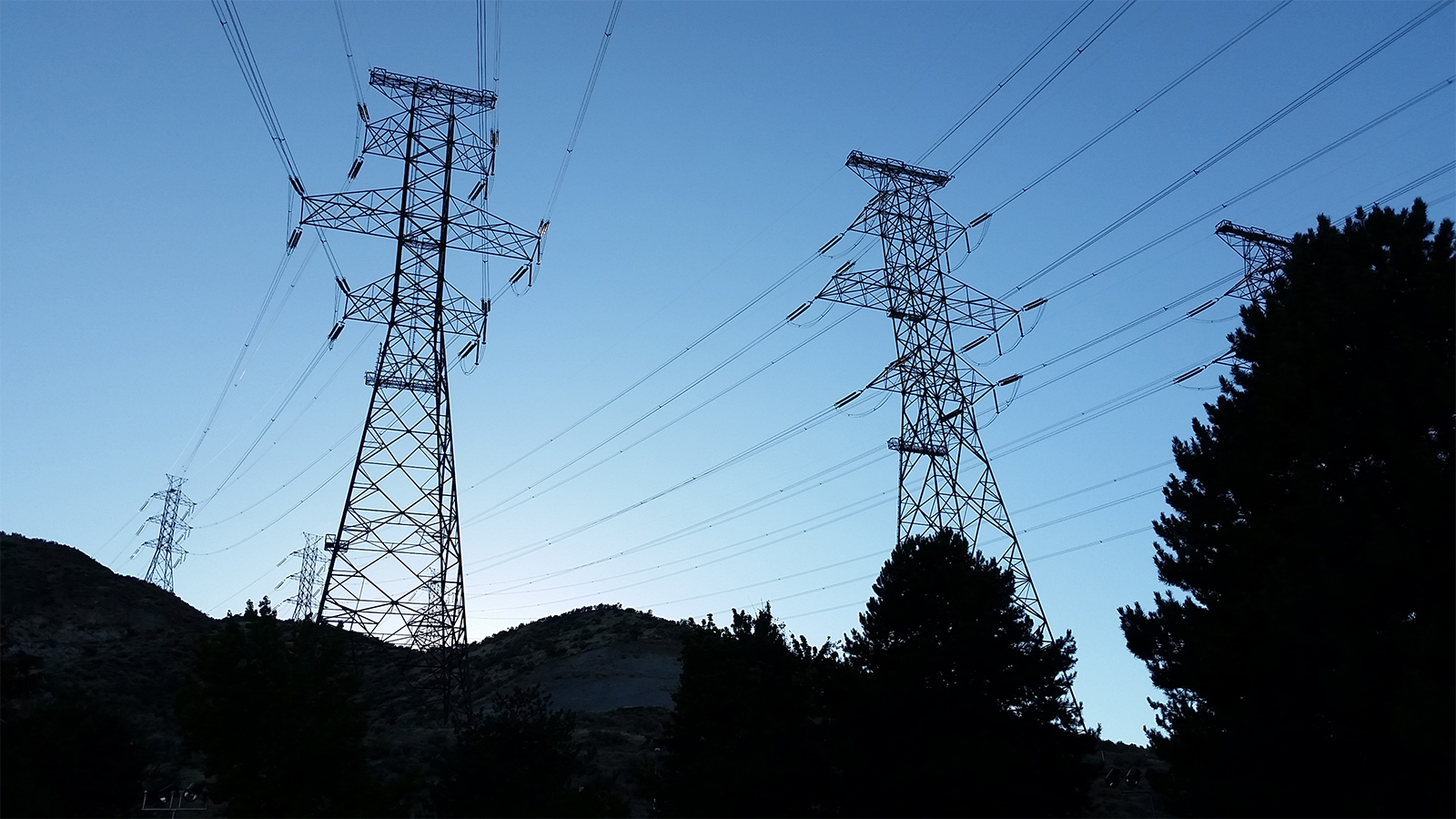
An OPGW cable contains a tubular structure with one or more optical fibers in it, surrounded by layers of steel and aluminum wire. The OPGW cable is run between the tops of high-voltage electricity pylons. The conductive part of the cable serves to bond adjacent towers to earth ground, and shields the high-voltage conductors from lightning strikes. The optical fibers within the cable can be used for high-speed transmission of data, either for the electrical utility's own purposes of protection and control of the transmission line, for the utility's own voice and data communication, or may be leased or sold to third parties to serve as a high-speed fiber interconnection between cities.

2. Characteristics
All-dielectric self-supporting (ADSS) cable is a type of optical fiber cable that is strong enough to support itself between structures without using conductive metal elements. It is used by electrical utility companies as a communications medium, installed along existing overhead transmission lines and often sharing the same support structures as the electrical conductors
An optical ground wire (also known as an OPGW, or an optical fiber composite overhead ground wire) is a type of cable that is used in overhead power lines. Such cable combines the functions of grounding and communications.

3. Installation Cost
ADSS is an alternative to OPGW with lower installation cost. The cables are designed to be strong enough to allow lengths of up to 700 metres to be installed between support towers. ADSS cable is designed to be lightweight and small in diameter to reduce the load on tower structures due to cable weight, wind, and ice.
Installation of OPGW requires some additional planning because it is impractical to splice an OPGW cable in mid-span; the lengths of cable purchased must be coordinated with the spans between towers to prevent waste. Where fibers must be joined between lengths, a weatherproof splice box is installed on a tower; a similar box is used to transition from the OPGW to an outside plant fiber-only cable to connect the fibers to terminal equipment.

What is the difference between Cables and Fiber Optic Cables?
Outdoor Fiber Optic Cables vs Indoor Fiber Optic Cables
Related Article


2、 Key Characteristics
3、 Main Classifications
4、Core Differences from Multimode Fiber
5、Typical Application Scenarios