What is the difference between Cables and Fiber Optic Cables?
Cable
In the context of technology and telecommunications, a cable typically refers to a physical medium used to transmit information or data. Cables can be made of various materials, such as copper, fiber optics, or coaxial materials, and they may be used for a variety of purposes, including internet connectivity, television programming, and telephone communication.
For example, coaxial cable is often used to connect a cable television provider's signal to a television set, while Ethernet cables are commonly used to connect devices to a home or office network. Fiber optic cables are used for high-speed internet connections, as well as in telecommunications networks for long-distance communication.
Cables can vary in size, shape, and capacity, depending on the purpose they serve. Some cables are designed to transmit data over long distances, while others may be intended for short-range communication within a single room or device.
Characteristic of cable
Cables can have various characteristics depending on their design, purpose, and construction. Here are some common characteristics of cables:
- Conductivity: Cables are made of conductive materials such as copper or aluminum, which allow the transmission of electric signals.
- Bandwidth: The amount of data that can be transmitted through a cable is measured in bandwidth. Higher bandwidth cables can transmit more data in a given amount of time.
- Signal attenuation: The weakening of a signal as it travels through a cable is known as signal attenuation. This is affected by factors such as cable length, material, and frequency.
Impedance: The resistance of a cable to the flow of electrical current is known as its impedance. It is measured in ohms and can impact signal quality.
- Noise: External sources such as electromagnetic interference (EMI) or radio frequency interference (RFI) can interfere with signals traveling through a cable, causing noise.
- Shielding: Cables may have shielding layers to protect against external interference and reduce noise.
- Insulation: Insulation is used to protect cables from damage, ensure electrical safety, and prevent interference.
- Connectors: Cables may have connectors at either end, which are used to join them to devices or other cables. Different types of connectors are used for different applications.
- Durability: The durability of a cable is important, as cables can be subject to wear and tear, bending, and stretching. Cables designed for outdoor or industrial use may need to be more robust than those used in indoor settings.
Overall, cables are designed to provide reliable transmission of data or information over a distance, while minimizing noise and signal degradation.
Fiber Optic Cable
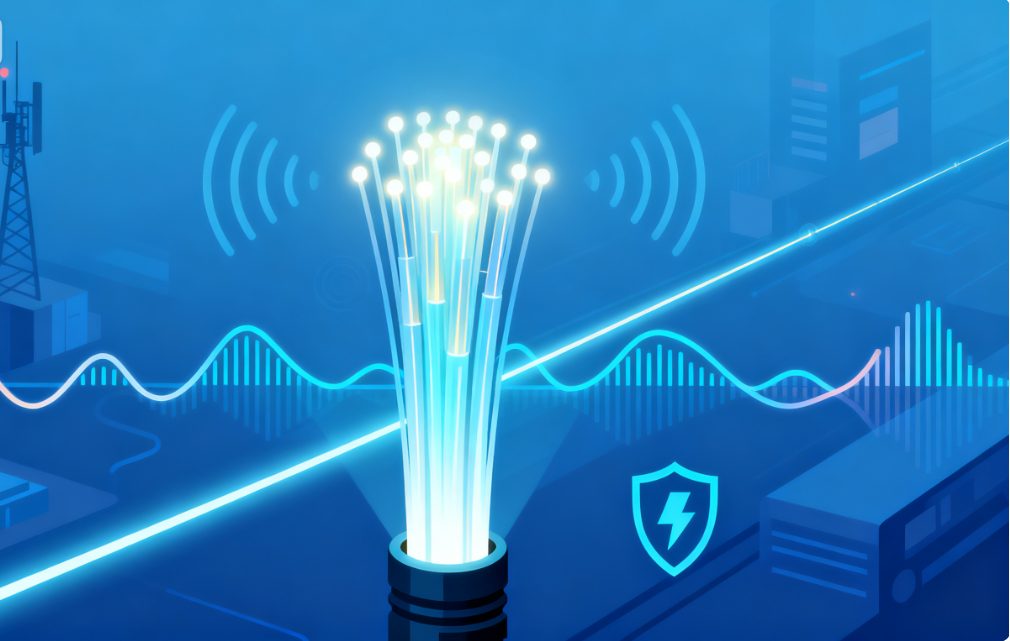
Fiber optic cable is a type of cable that uses thin strands of glass or plastic fibers to transmit data over long distances using light waves. These cables are designed to carry large amounts of digital information over long distances with minimal signal loss and interference.
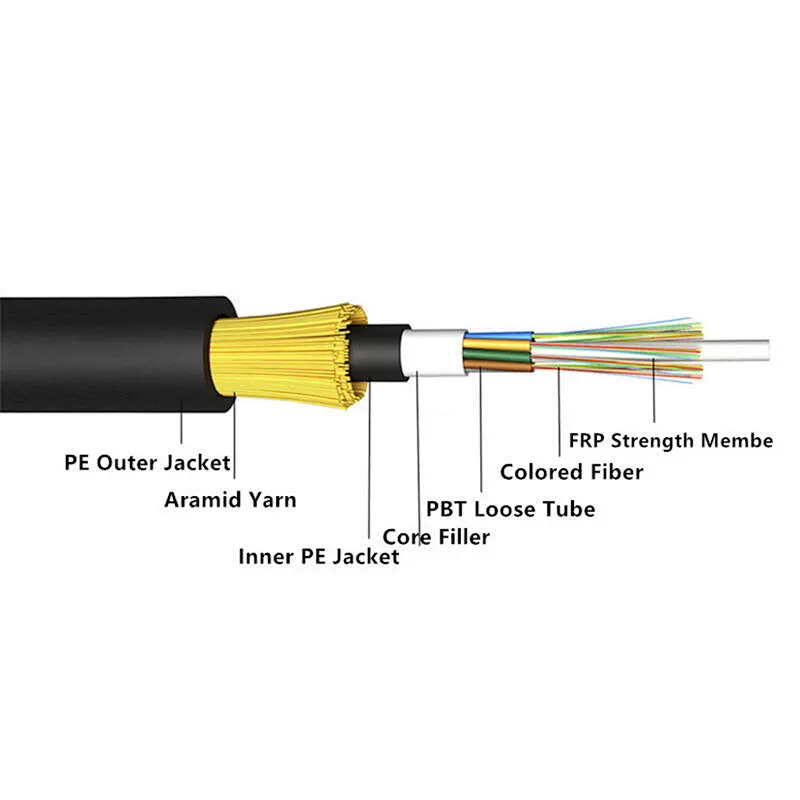
Fiber optic cables consist of a core, cladding, and protective coating. The core is the central part of the cable where the light signal travels, and it is made up of very thin strands of glass or plastic. The cladding is a layer of material that surrounds the core, and it helps to keep the light signal inside the core. The protective coating is an outer layer that protects the cable from damage and moisture.
Fiber optic cables transmit information using light waves, which are generated by a laser or LED at one end of the cable and detected by a receiver at the other end. Because light waves can travel very quickly and do not degrade over long distances like electrical signals do, fiber optic cables can transmit data over much longer distances than traditional copper cables.
Fiber optic cables are used for a variety of applications, including telecommunications, internet connectivity, and cable television. They are also used in medical equipment, industrial automation, and military communications, among other fields.
Characteristic of Fiber Optic Cable
Fiber optic cables have several characteristics that make them unique and desirable for certain applications. Here are some of the most notable characteristics of fiber optic cables:
- Bandwidth: Fiber optic cables have a very high bandwidth, meaning they can transmit large amounts of data quickly and efficiently.
- Signal loss: Fiber optic cables experience minimal signal loss over long distances, compared to copper cables which suffer from attenuation.
- Interference: Fiber optic cables are immune to electromagnetic interference (EMI) and radio frequency interference (RFI), which can disrupt copper cables.
- Security: Fiber optic cables are more difficult to tap or intercept than copper cables, providing a higher level of security.
- Weight and size: Fiber optic cables are lightweight and have a smaller diameter than copper cables, making them easier to handle and install.
- Durability: Fiber optic cables are less susceptible to damage from environmental factors such as water, chemicals, and temperature fluctuations.
- Longevity: Fiber optic cables have a longer lifespan than copper cables and require less maintenance over time.
- Cost: While the initial cost of fiber optic cables is higher than that of copper cables, their durability and longevity can result in lower long-term costs.
Overall, fiber optic cables provide a reliable and efficient means of transmitting data over long distances with minimal signal loss and interference.
What is the difference between Fiber Optic Cables and Cables?
The main difference between fiber optic cables and cables is the way in which they transmit information. Cables, such as copper cables, transmit information using electrical signals, while fiber optic cables transmit information using light waves.
Copper cables have been widely used for many years and are relatively inexpensive, but they suffer from attenuation, signal loss, and electromagnetic interference. They also have limited bandwidth, which makes them less suitable for high-speed data transmission over long distances.
Fiber optic cables, on the other hand, use light waves to transmit data, which results in much faster data transmission and much less signal loss over long distances. They are immune to electromagnetic interference and are more secure than copper cables, making them ideal for applications where data security is important. However, fiber optic cables are typically more expensive than copper cables and require specialized equipment and expertise for installation and maintenance.
In summary, the main differences between fiber optic cables and cables are their method of data transmission, their susceptibility to signal loss and interference, their bandwidth and speed capabilities, and their cost and installation requirements.
Here I’d like to recommend some our fiber optic cable for you as below:
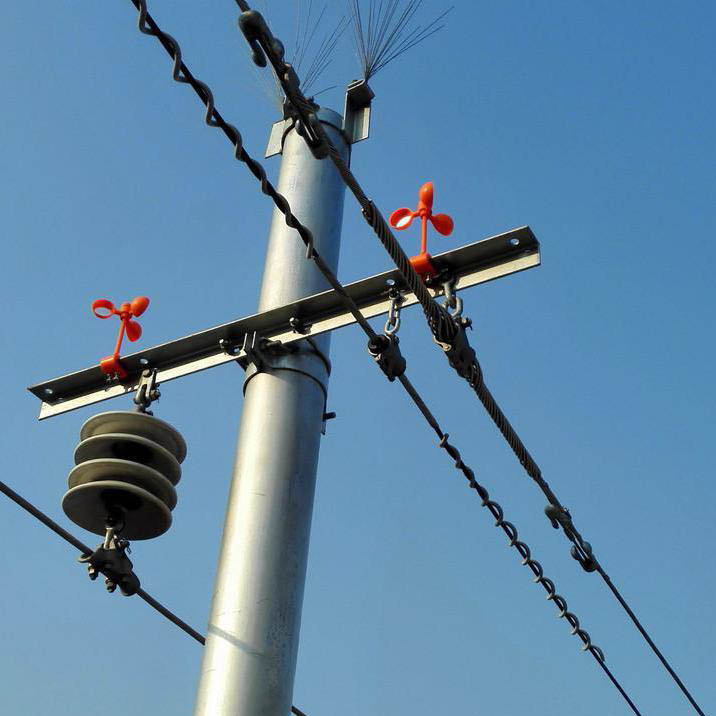
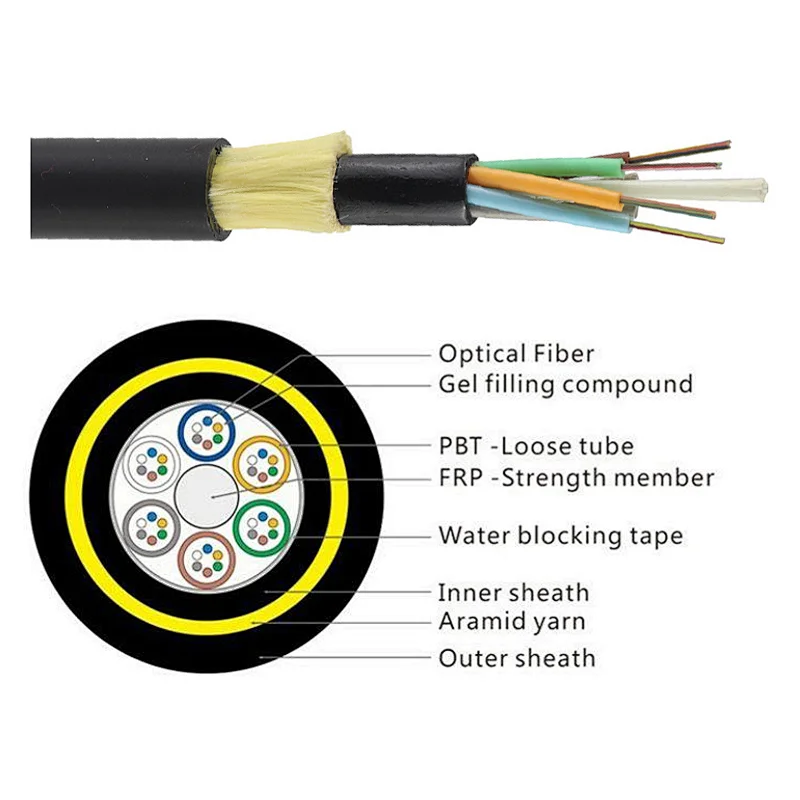
- All Dielectric Self-supporting Aerial Cable(ADSS)
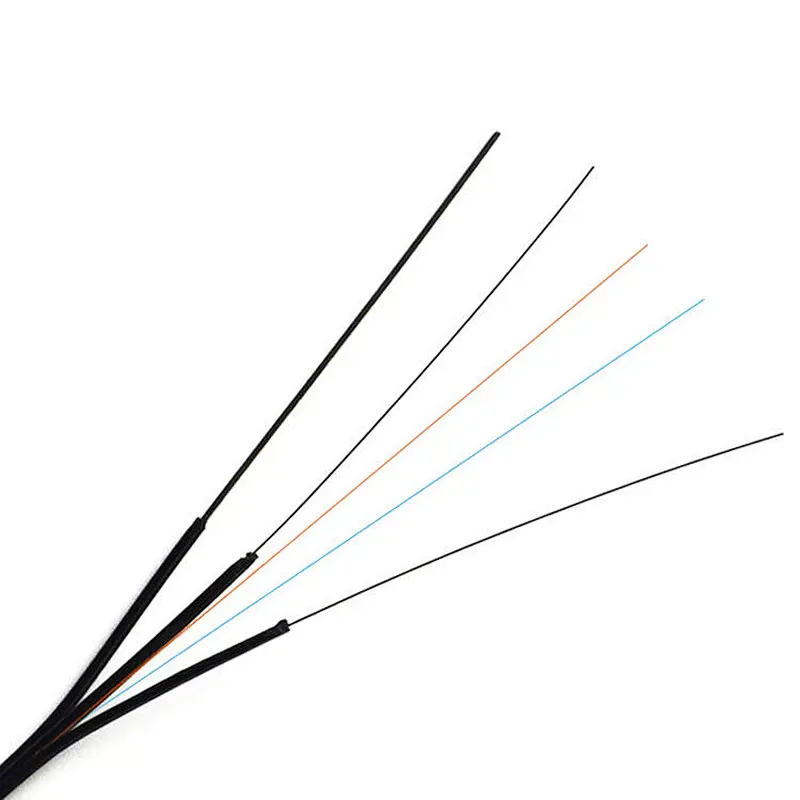
- FTTH Outdoor Drop Cable GJYFCH/GJYCH
What modes are there for fiber optic cable?
What is the difference between OPGW cable and ADSS cable?
Related Article

2、 Key Characteristics
3、 Main Classifications
4、Core Differences from Multimode Fiber
5、Typical Application Scenarios