How fiber optic cable is made?
How fiber optic cable is made?
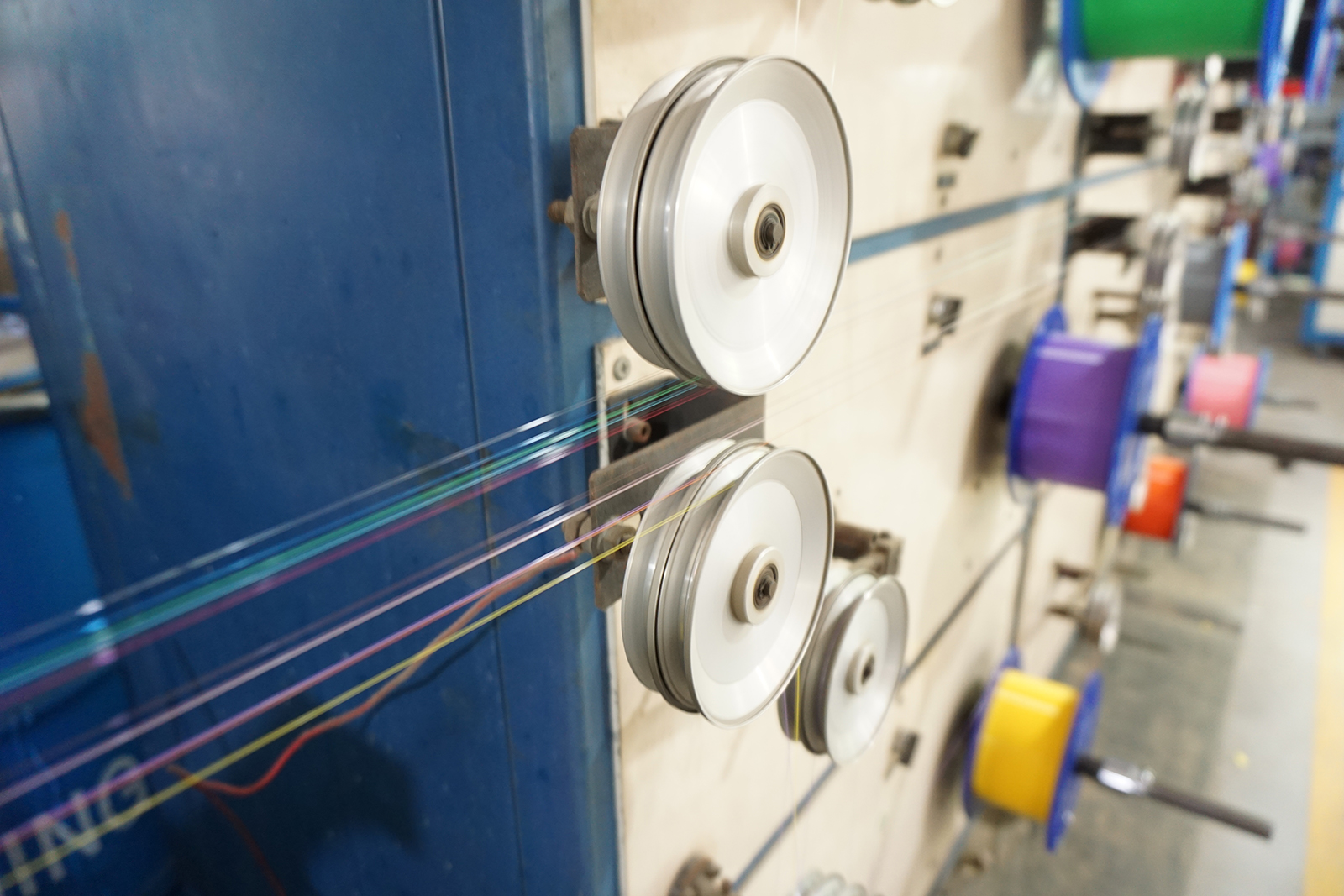
Fiber optic cables are made up of several components: a core, cladding, jacket, and strength members. The core is the optical fiber itself which is a continuous strand of ultra-thin glass. In order to provide the necessary protection for the optical fiber, the cable core usually includes loose tubing, center strength member, filler rope, etc, depending on the number of fiber cores. And then all optical fiber are stranding into a cable core, ready for next step of armoring and sheathing.
1. Fiber Core made
After determining which optical fiber to use, the cable core is made according to the structure of the fiber optic cable to be produced.
Within the core, there are two highly specialized glass coatings called cladding and jacketing. The cladding helps bounce back imperceptible light signals as they travel along the cable by reflecting off of its walls.
The jacketing protects the delicate optical fibers from mechanical damage and environmental effects. Lastly, strength members such as aramid yarns or steel wires are used to reinforce and protect the cable further against bending or stretching forces. Together these components form a fiber optic cable that carries light signals over long distances without signal loss or interference.

2. Fiber Optic Secondary Coating
The secondary coating of your fiber optic cables is the most important aspect in your production process. As the quality of loose tube defines the final properties of your cable, it is crucial that you have the technology in place to get it right.
Fiber optic secondary coating is a protective layer that is applied over the primary coating of an optical fiber. The primary coating is typically made of a soft, low-modulus material, such as acrylate, that provides cushioning and flexibility to the glass fiber core. The secondary coating is typically made of a harder, more durable material, such as UV-cured acrylate or silicone, that provides additional protection to the primary coating and fiber core.
The purpose of the secondary coating is to protect the fiber from mechanical stress, moisture, and other environmental factors that can cause damage or degradation. It also helps to maintain the optical performance of the fiber by preventing microbending, which can lead to signal loss and attenuation.
Secondary coating is applied over the primary coating by a secondary coating line, which consists of a curing oven and a coating head. The fiber is passed through the coating head, which applies a thin layer of the secondary coating material. The coated fiber is then cured in the oven, which polymerizes the coating material and forms a hard protective layer around the fiber.
There are several types of secondary coating materials available, including UV-cured acrylates, silicone, and polyimides. The choice of coating material depends on the specific requirements of the application, such as temperature resistance, chemical resistance, and durability.
3. Fiber Optic Cable SZ Stranding and Central Tube Cables
Stranded cables are made by stranding tubes of fibers, flat ribbons, or rollable ribbons around a central member. Stranded cables are often used in applications requiring frequent access to fibers.
Central tube cables are made by extruding a central tube around a fiber structure. Central tube cables can provide higher fiber density.

4. Strength
Strength members, including fiberglass and aramid yarns are used to limit the strain on cables and fiber when tension is applied to cables.
The strength of a fiber optic cable refers to its ability to withstand mechanical stress and tension without breaking or being damaged. Fiber optic cables are designed to be very strong, and their strength is typically measured in terms of their tensile strength.
The tensile strength of a fiber optic cable is the maximum amount of pulling force that the cable can withstand before it breaks. This is typically expressed in units of pounds per square inch (psi) or newtons per square meter (N/m²). The tensile strength of a fiber optic cable depends on several factors, including the type of fiber and the design of the cable.
Single-mode fiber optic cables, which are designed for long-distance transmission, typically have a tensile strength of around 1,000 pounds per square inch (psi) or more. Multimode fiber optic cables, which are designed for shorter distances, may have a lower tensile strength of around 500-700 psi.
Fiber optic cables are also designed to be resistant to crushing and bending, as well as to environmental factors such as temperature changes and moisture. The strength and durability of a fiber optic cable is an important consideration in selecting the right cable for a particular application, such as telecommunications, data centers, or industrial automation.
5. Water Blocking Materials
Yarns and tapes are added to provide water blocking outside the core of the cable.
6. Cable Armoring
Taking the specification and application of the fiber cable manufacturing into account, a layer or several means of fiber cable armoring will be added around the fiber cable core before the final sheathing.
Cable armoring refers to the process of adding a protective layer or layers to a cable to increase its mechanical strength and resistance to damage. This is commonly done for cables that will be installed in harsh or rugged environments, where they may be exposed to physical stress or abrasion.
There are several types of cable armoring techniques, including:
Metal Armor: This involves adding a layer of metal, such as steel or aluminum, around the cable. Metal armor provides excellent protection against crushing, impacts, and abrasion.
Tape Armor: This involves wrapping the cable with a layer of high-strength tape, such as Kevlar or fiberglass. Tape armor provides good protection against abrasion and impact, but is less effective against crushing.
Braid Armor: This involves braiding the cable with a layer of high-strength wire or synthetic fibers, such as Kevlar. Braid armor provides good protection against crushing, impacts, and abrasion.
Interlocked Armor: This involves interlocking two or more layers of metal tape or wire to create a strong, flexible armor around the cable.
Cable armoring can be used for a wide range of cable types, including fiber optic cables, power cables, and communication cables. The type of armoring technique used will depend on the specific requirements of the application, such as the level of mechanical stress or abrasion the cable is likely to encounter.

7. Fiber Optic Cable Sheathing
The sheathing process is where you apply the final touch to your loose tube fiber optic cable.
The main function of the fiber cable outer sheath is to protect the optical fibers in the optical cable from external damage. Several common cable outer sheath materials are PVC, PE, LSZH, AT and rodent-proof sheath materials. Cable marks is also important for identification and management.
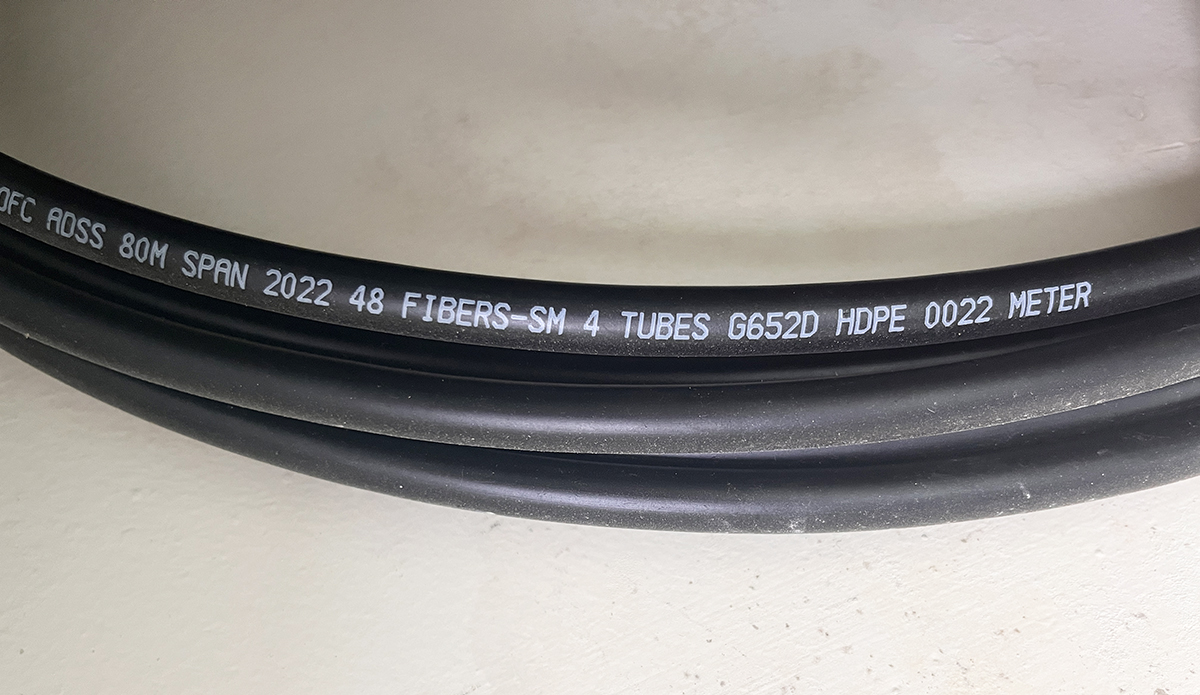
8. Cable Marks Printing
Cable marks is also important for identification and management. Cable marks included type of cable, date of manufacture, length and a unique serial number that can enable traceability through the manufacturing process is printed.
9. Cable Performance Testing
Once manufacturing is complete, the finished cable undergoes final testing for length and optical properties.
Using optical time domain reflectometer testing, you’ll measure the length of the fiber optic cable, attenuation, and any events occurring on that fiber segment. Events are splices, stress points, or breaks that cause unacceptable amounts of attenuation on the length of the fiber.
An OTDR can test at specific wavelengths for either single mode or multimode fiber, much like a light source and power meter.

How OPGW Cables are Reinforcing Power Transmission
How to inspect fiber optic cable?
Related Article


2、 Key Characteristics
3、 Main Classifications
4、Core Differences from Multimode Fiber
5、Typical Application Scenarios