Outdoor Fiber Optic Cables vs Indoor Fiber Optic Cables
Outdoor Fiber Optic Cables vs. Indoor Fiber Optic Cables
A fiber optic cable, also known as an optical fiber cable, is an assembly similar to an electrical cable, but containing one or more optical fibers that are used to carry light.
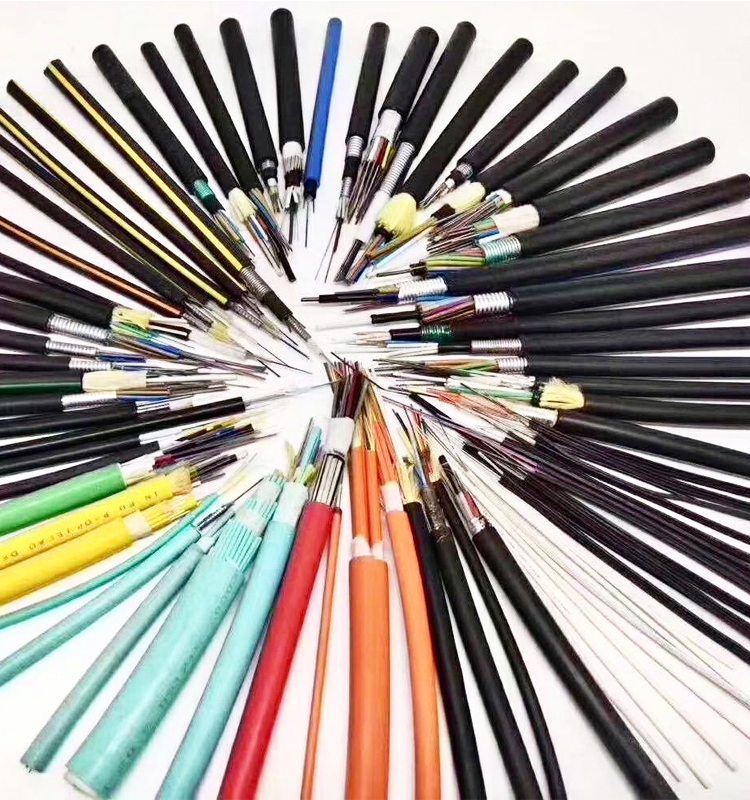
Different types of cable are used for different applications, for example, long distance telecommunication, or providing a high-speed data connection between different parts of a building. It was divided into indoor fiber cable and outdoor fiber cable according to different use environments.
For indoor applications, the fiber optic cables are used exclusively within buildings and must have a flame-retardant jacket to fit this purpose. Flame resistant cable may be deployed in-duct (conduit) or cable tray. When routing a cable within a building, you will also need to factor in fire prevention requirements. These requirements differ per country and region of the world. Each end of the cable may be terminated with a specialized optical fiber connector to allow it to be easily connected and disconnected from transmitting and receiving equipment.
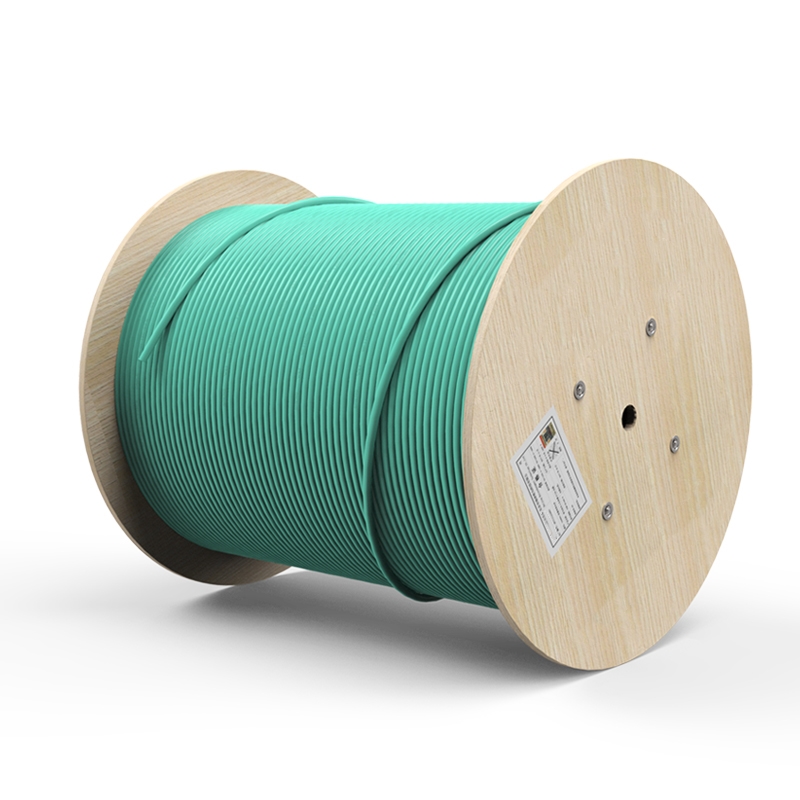
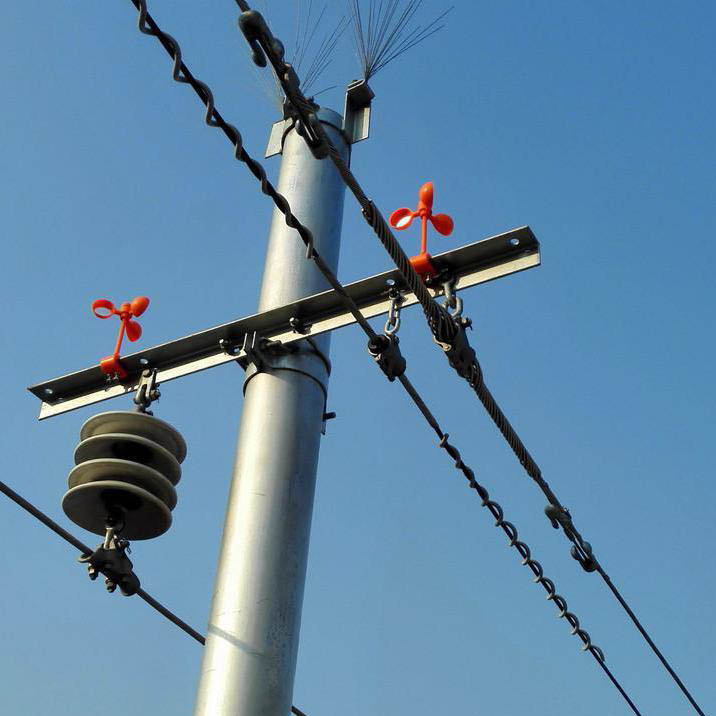
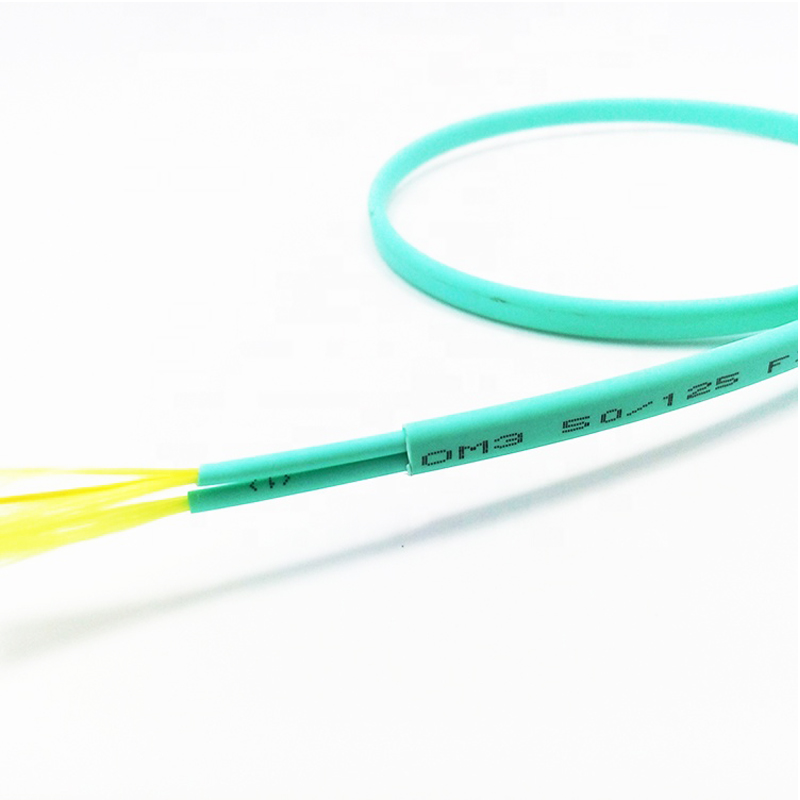 Fiber optic cables for outdoor applications are engineered to withstand the more demanding conditions seen outside, from environmental extremes to mechanical forces. These are the outdoor fiber optic cables you see strung along telephone poles (aerial), installed inside an underground duct, or even buried directly below ground. Outdoor cables therefore feature rugged constructions to resist ultra-violet light and temperature fluctuations and may include features to withstand the requirements of being installed outdoors.
A critical concern in outdoor cabling is to protect the fiber from damage by water. This is accomplished by use of solid barriers such as copper tubes, and water-repellent jelly or water-absorbing powder surrounding the fiber.
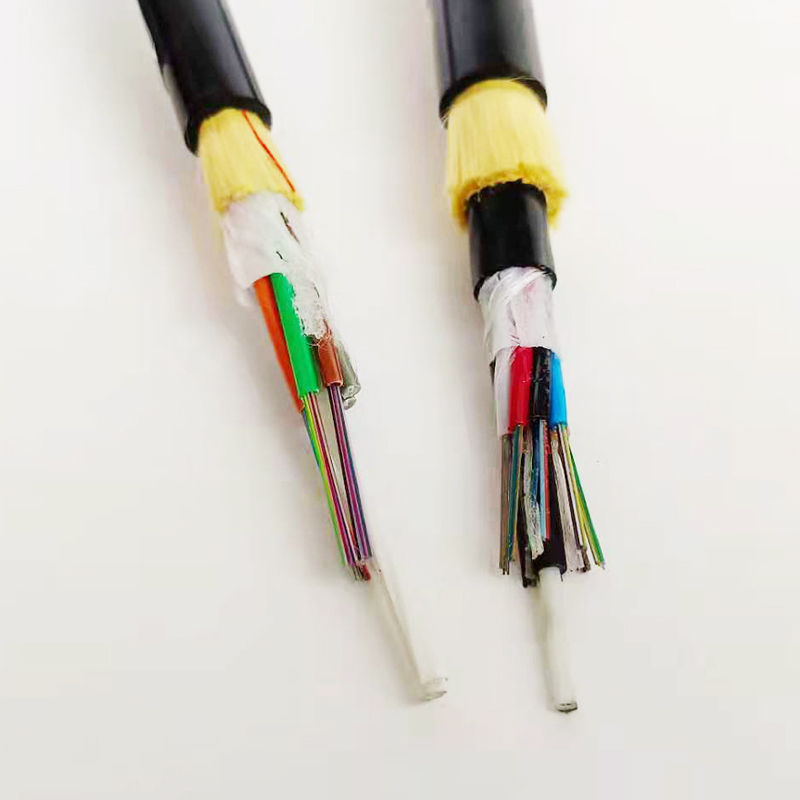
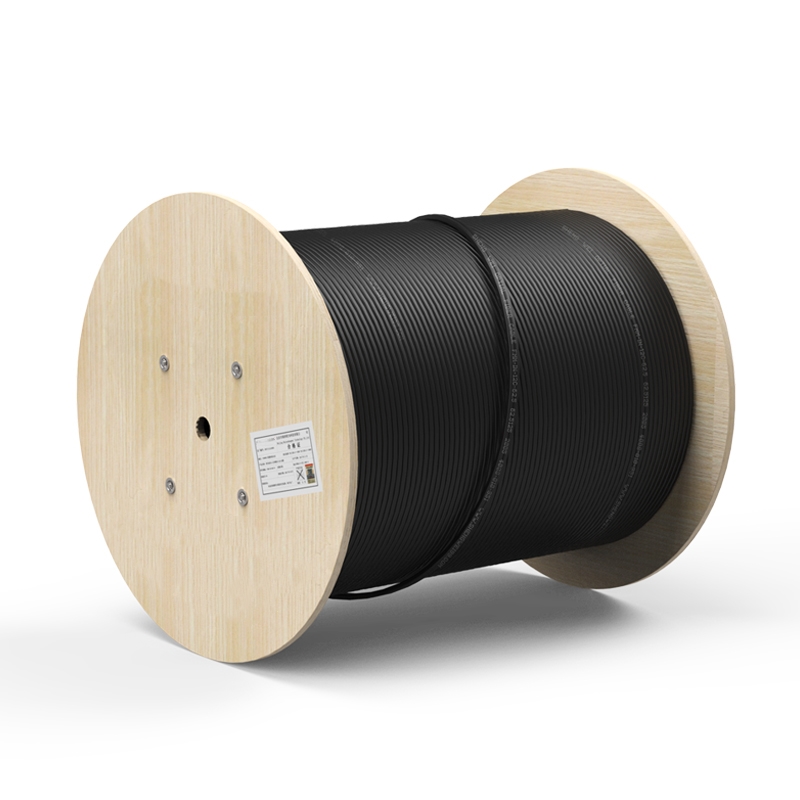
Modern cables come in a wide variety of sheathings and armor, designed for applications such as direct burial in trenches, dual use as power lines, installation in conduit, lashing to aerial telephone poles, submarine installation, and insertion in paved streets.
What is the difference between OPGW cable and ADSS cable?
How To Choose Fiber Optic Cables?
Related Article


2、 Key Characteristics
3、 Main Classifications
4、Core Differences from Multimode Fiber
5、Typical Application Scenarios