Fiber Optic Cable Installation Tutotrial
2021-08-17
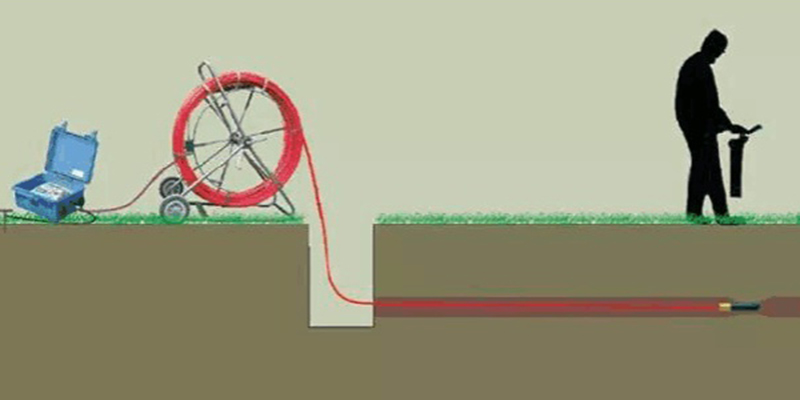
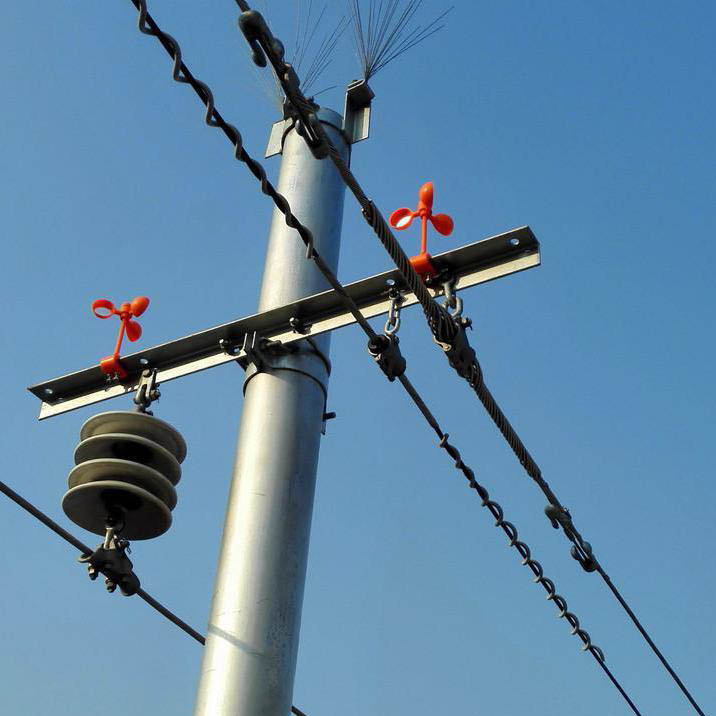
Fiber optic cable may be installed indoors or outdoors using several different installation processes. Outdoor cable may be direct buried, pulled or blown into conduit or innerduct, or installed aerially between poles. Indoor cables can be installed in raceways, cable trays above ceilings or under floors, placed in hangers, pulled into conduit or innerduct or blown though special ducts with compressed gas. The actual installation process will depend on the nature of the installation and the type of cable being used.

Since there are so many types of fiber optic cable and so many different applications, it is hard to cover each application in detail. However there are some general rules that should be followed:
Safety
Safety on the job site must be the number one concern of everyone - installers, supervisors, owners, etc. Besides the usual safety issues for construction, generally covered under OSHA rules, fiber optics adds concerns for eye safety, chemicals, sparks from fusion splicing, disposal of fiber shards and more. Before beginning any installation, safety rules should be posted on the job site and reviewed with all onsite personnel. Chemical MSDS (material safety data sheets) for any hazardous substances should be available from the supervisor. All personnel must wear the usual construction safety gear plus everyone must wear eye protection whenever working with fiber. Here are safety rules for fiber optics.
Training
All personnel involved in any fiber optic installation must be properly trained and familiar with the tools, components and processes to be use during the installation. Training must also include all safety procedures. An installer should never use the job site to learn new products or techniques. Test equipment should be checked for proper operation, including condition of reference cables, charge level of batteries and tested to ensure proper measurements can be made. Personnel should have proof of basic knowledge, skills and abilities (KSAs) such as the FOA CFOT certification.
Pre-Installation
No installation should begin until there is a complete design, all equipment and components have been chosen, the cable routing is determined and any permits or coordination with other groups is ready. Cable documentation should be started before installation so the installation is properly documented and ready for labelling and recording test data. Documentation will facilitate installation, allow planning for upgrades and provide data needed for restoration.
Components must be ordered and delivered to the job site before installation can begin. Relevant personnel who will be affected by the install, for example those located in the installation area or who may lose communications services, must be notified. If the installation takes more than one day, arrange security to guard the equipment and components left on the construction site.

Planning For A Safe Installation
Safety is an important part of the planning process for any fiber optic installation. Later in this chapter, we have a section called " Safety In Working With Optical Fiber" that covers the issues specific to dealing with optical fiber when preparing cables and splicing, terminating and testing them. But with any installation there are many other aspects of safety that the installer must consider.
Work areas for OSP installation are often near roads, railways, utilities or other areas with potential hazards. Digging trenches or directional boring requires knowing where underground utilities are located and confirming their locations before final digging. Premises installations often require working near power cables and other indoor utilities, as well as workers who may be in a building during the installation.
The installer is expected to know and follow all laws, codes and local requirements for safe installations such as those by agencies like OSHA in the USA. Workers should be trained in these practices also. Work sites should have safety regulations posted including required safety gear to be worn by workers and supervisors should monitor the site to ensure these rules are followed.
REMEMBER: Safety rules should be posted on the job site(s) and reviewed with all supervisors, installation personnel and any affected parties. Download a FOA safety poster.
During The Installation
Inspect all installation workmanship during the installation itself so any problems can be identified and solved before they become major issues. Daily supervisors and installers should review processes, progress on the job and test data. All affected personnel should receive immediate notification of problems and solutions, shortages, etc.
Be careful when installating cables to avoid stress, hazards that may snag cables and kink them or installing cables where heavier cables may be placed on top of them.
Bundling cables for neatness is fine, but be careful using cable ties. Tightening them can put harmful stress on the fibers (or pairs in UTP copper cables), so hand tighten them and cut off the excess length. Even better, use soft "hook and loop" ties that can be reopened to move cables.
Safety and Building Codes
All installations must follow building and fire codes for safety. All components must be appropriately rated for the application (premsies or OSP) and properly installed. Indoor applications require rated fire-retardant components and firestopping at walls or floor penetrations. All metal components of a cabling system must be properly grounded and bonded. Documentation should include all issues required by building codes.
The National Electrical code now requires removal of all "abandoned" cabling as a fire hazard. This should be considered as part of the planning of an installation as cable removal should be done first if possible to avoid interference with newer cables.

After completion of cable plant installation
Inspect the workmanship of all parts of the installation. This includes visual inspection of the work site for neat installation workmanship and reviewing test data on cable plant. Appropriate personnel should set up and test the communications system that will operate over the fiber optic cable plant to ensure it is proper for that system.
Before the job is completed, it is important to update and complete documentation and the restoration plan. Cable and component remainders should be stored along with the restoration plan and documentation in case of future network outages requiring cable plant restoration.
Testing Fiber Optic Cables
How to Fusion Splice Fiber Optic Cable?
Related Article


1、Core Definition and Working Principle
2、 Key Characteristics
3、 Main Classifications
4、Core Differences from Multimode Fiber
5、Typical Application Scenarios
2、 Key Characteristics
3、 Main Classifications
4、Core Differences from Multimode Fiber
5、Typical Application Scenarios
What is single-mode fiber optic?